
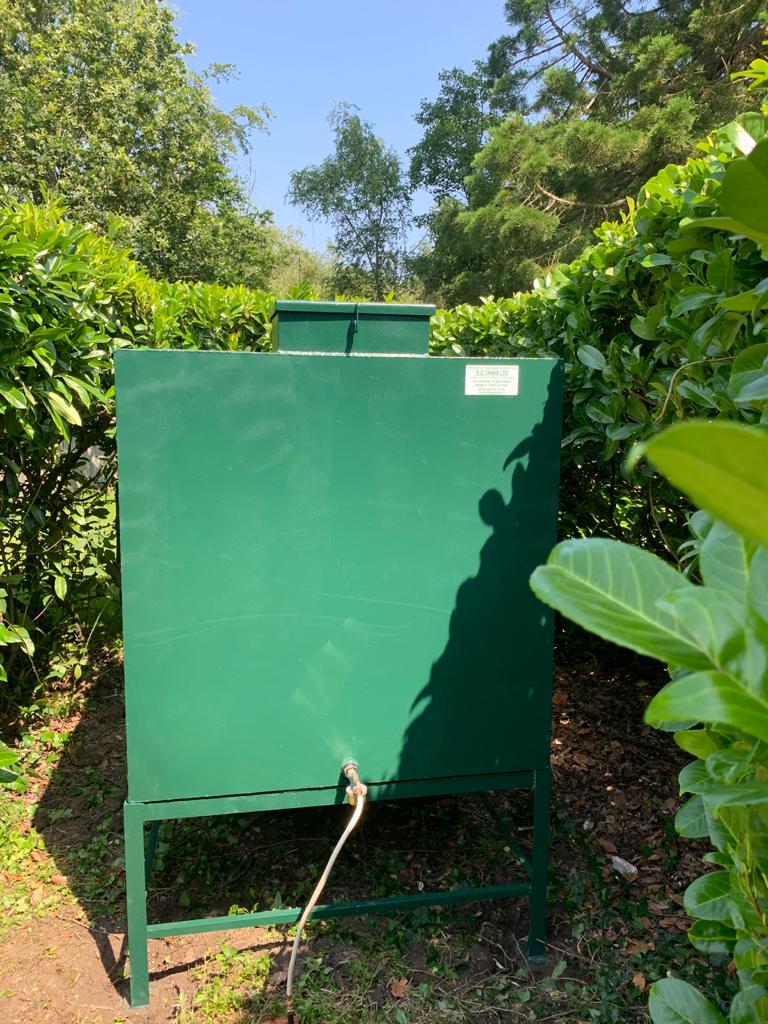
Getting rid of an old oil tank involves more than lifting it out and taking it away. Any remaining heating oil needs to be assessed and safely pumped out. Where suitable, usable oil may be transferred to a replacement tank, while contaminated oil, sludge or residue should be handled separately.
The tank then needs to be decommissioned, removed from the property and disposed of responsibly, with the working area left clear and tidy. For most homeowners, the safest option is to arrange professional oil tank removal rather than trying to drain, cut or move the tank yourself.
How do you get rid of an old oil tank?
The best way to get rid of an old oil tank is to have it assessed and removed by an experienced oil tank specialist. A professional removal will usually involve:
- Assessing the tank, remaining oil and access
- Safely pumping out or transferring any usable oil
- Separating contaminated oil, sludge or residue where needed
- Decommissioning and disconnecting the old tank
- Removing the tank from the property
- Arranging suitable disposal and clearing the site
This matters because even an old or unused tank can still contain heating oil, water, sludge or residue. If these are handled incorrectly, a straightforward removal can become a messy and expensive problem.
SG Tanks provides professional oil tank removal across Sussex, Surrey, Hampshire and the South East, including removals from gardens, restricted access areas and more challenging locations. With more than 20 years of oil tank experience, the team can assess the tank, explain the practical options and arrange responsible disposal.
Start with an assessment of the tank
Before anything is moved, the tank should be checked properly. The removal approach depends on the tank condition, contents and location. This is especially important if the tank is old, damaged, leaking, partly full or difficult to access.
A professional assessment should consider:
- whether the tank is plastic or steel
- how much heating oil is left inside
- whether the oil appears suitable for transfer
- whether there is water, sludge or contamination
- whether the tank is leaking or at risk of leaking
- how the tank can be accessed and removed
- whether the base, pipework or surrounding area also needs attention
- whether a replacement tank is being installed at the same time
Older plastic oil tanks can become brittle, distorted or weakened over time. If you are unsure whether your tank has reached the end of its useful life, SG Tanks has a separate guide on the signs your oil tank needs replacing.
What happens to the oil left in an old tank?
Remaining oil is one of the main reasons old tank removal needs care. The oil should be assessed before it is moved because the contents at the bottom of an ageing tank may not be the same as the clean fuel originally delivered.
Usable heating oil may be transferred
If the heating oil is suitable, it may be possible to pump it into temporary storage and transfer it into a new replacement tank once the installation is complete. This can help avoid wasting usable fuel when an old tank is being replaced rather than simply removed.
However, this should only be done after the oil has been checked. Not every old tank contains oil that should be moved into a new tank or fuel system.
Contaminated oil, sludge and water need separate handling
Old tanks can contain water, sediment or sludge, especially if they have been in place for many years. If this material is transferred into a new tank, it can cause problems later.
Contaminated oil and residue should be handled separately and disposed of through the correct route. This is one of the reasons oil transfer should be treated as part of a professional removal or replacement job, not a quick DIY task.
What should you do with an old plastic oil tank?
An old plastic oil tank should not be treated like ordinary household waste. Even when it looks empty, it may still contain oil residue, contamination or sludge.
A professional old plastic oil tank removal will usually include:
- checking the tank condition and access
- safely removing any remaining oil
- dealing with sludge or contaminated residue separately
- disconnecting and decommissioning the tank
- removing the tank from the property
- taking it away for suitable disposal
- leaving the working area clear once the job is complete
Plastic tanks can also become awkward to handle as they age. Sunlight, weather exposure and years of use can weaken the material, so dragging or moving the tank without first checking its condition can increase the risk of damage and spillage.
How is an old heating oil tank removed and decommissioned?
Decommissioning means taking the old tank safely out of use before it is removed. This may involve dealing with the remaining oil, disconnecting the tank from the system and making sure it is no longer active.
The practical removal method depends on the property. A tank in an open garden is usually simpler to deal with than one in a basement, enclosed area or restricted access location. Access can affect the job if the tank is behind a narrow side passage, close to walls or fences, surrounded by overgrowth, positioned on uneven ground or too large to remove easily in one piece.
This is why a good quote should consider more than the size of the tank. It should also look at how the tank will be reached, how the contents will be handled, how the tank will be removed and how the site will be left afterwards.
Can I remove my own oil tank?
DIY oil tank removal is strongly discouraged, particularly if the tank still contains oil, residue or sludge. Even when a tank appears empty, there may still be material inside that needs careful handling.
The main risks include:
- oil spilling onto soil, paving or drains
- contaminated residue being handled incorrectly
- damage to pipework or nearby services
- injury from trying to move a large, awkward tank
- incorrect disposal of the tank or waste
- extra clean-up costs if something goes wrong
You should not try to drain, cut or dismantle an oil tank yourself. The safer option is to arrange a professional assessment, especially if the tank is old, damaged, leaking, partly full or hard to access.
What should an oil tank removal quote include?
When comparing oil tank removal or replacement quotes, check what is actually included. A low quote may not cover every part of the job.
Ask whether the quote includes:
- site assessment
- safe removal of remaining oil
- temporary oil storage if a replacement tank is being installed
- oil transfer into a replacement tank where suitable
- separate handling of contaminated oil, sludge or residue
- decommissioning and disconnection
- physical removal of the old tank
- difficult access or lifting requirements
- responsible disposal of the old tank
- site clearance after the work is complete
If your old tank is being replaced, it is also worth checking whether removal, oil transfer and disposal are included in the wider replacement price. SG Tanks explains more about the factors that can affect a full replacement project in its guide to oil tank replacement costs.
What if the old oil tank is leaking?
A leaking oil tank should be treated as urgent. Do not try to wash oil away, and do not disturb the tank unnecessarily. Where safe, keep people, pets and vehicles away from the affected area and avoid allowing oil to reach drains, soil or water.
A specialist may need to remove the remaining oil quickly to reduce the risk of further leakage before arranging replacement, removal or clean-up. A leaking tank can also affect what happens to the surrounding base, soil and pipework, so it should not be handled as a routine disposal job.
Need an old oil tank removed safely?
If you need to dispose of an old heating oil tank, remove an old plastic oil tank or arrange oil transfer as part of a replacement, SG Tanks can help. The team works across Sussex, Surrey, Hampshire and the South East, with more than 20 years of experience in oil tank removal, replacement and responsible disposal.
Need an old oil tank removed safely? Request a free oil tank removal quote from SG Tanks, or call Sean on 01903 856403 for practical advice.

