
Do You Need Your Oil Tank Removed?
Many customers contact us because they are unsure what happens next.
Your oil tank may need removal if it is:
✓ No longer being used
✓ Showing signs of damage or corrosion
✓ Being replaced with a new tank
✓ Causing concerns about leaks or environmental risks
✓ Preventing changes to your property
If you are unsure whether removal is needed, our team can assess your tank and advise on the most suitable option.
Speak To An Oil Tank SpecialistWhy Choose SG Tanks For Oil Tank Removal?
Experienced Removal Team
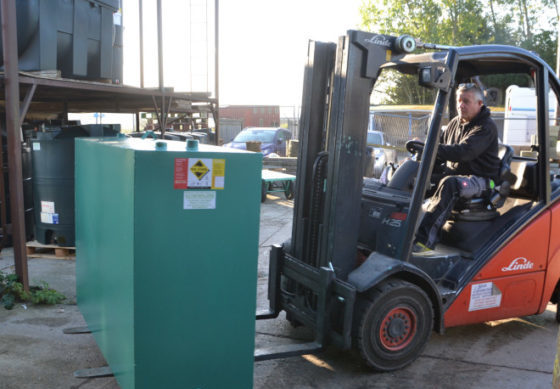
With more than 20 years working with oil tanks, we understand the practical challenges involved in removing tanks safely.
Complete Removal Service
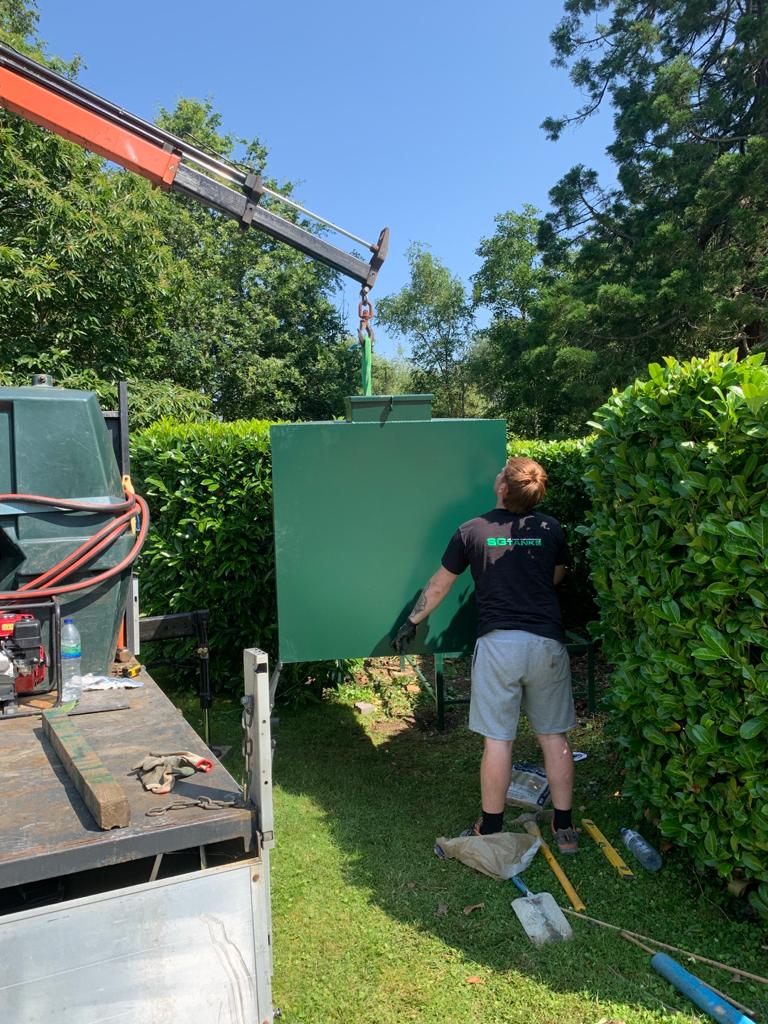
We manage the process from draining and preparation through to removal and disposal.
Responsible Disposal
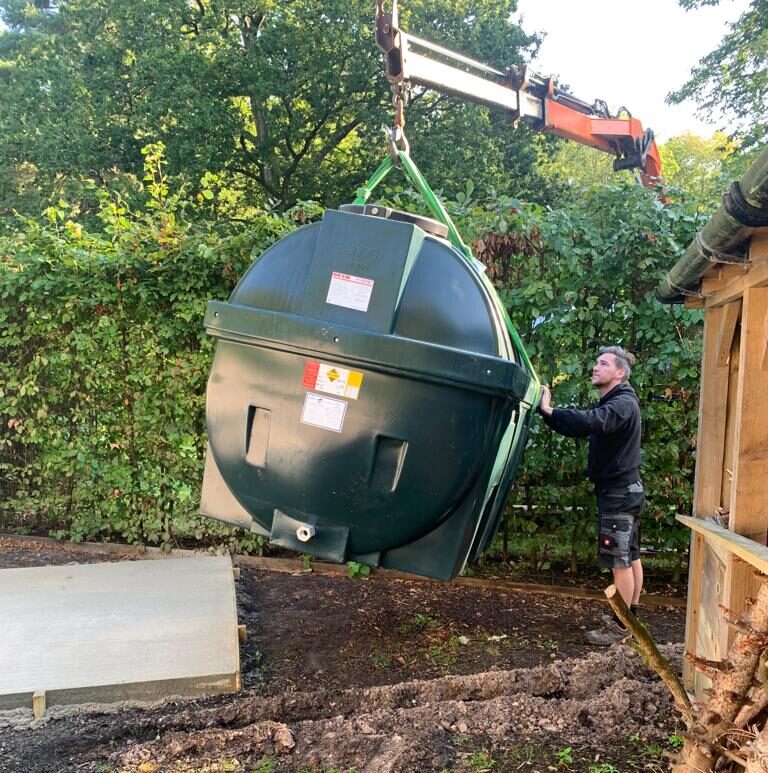
We ensure tanks are removed appropriately and disposed of in line with relevant requirements.
Local Specialists
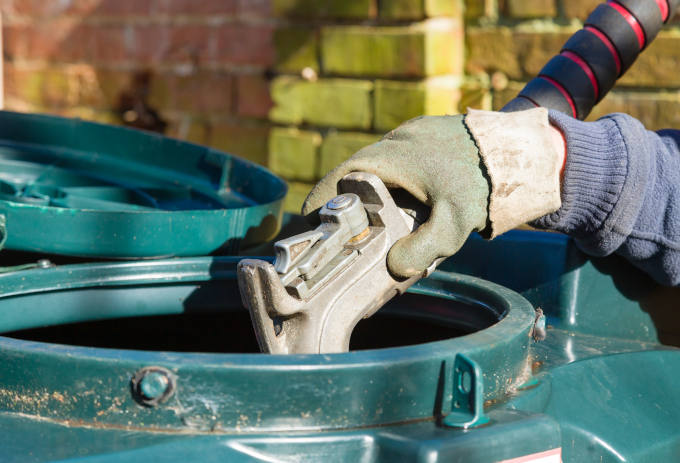
We regularly work with customers across Sussex, Surrey and Hampshire.
Customers Trust SG Tanks With Their Oil Tank Removals
Our Oil Tank Removal Process
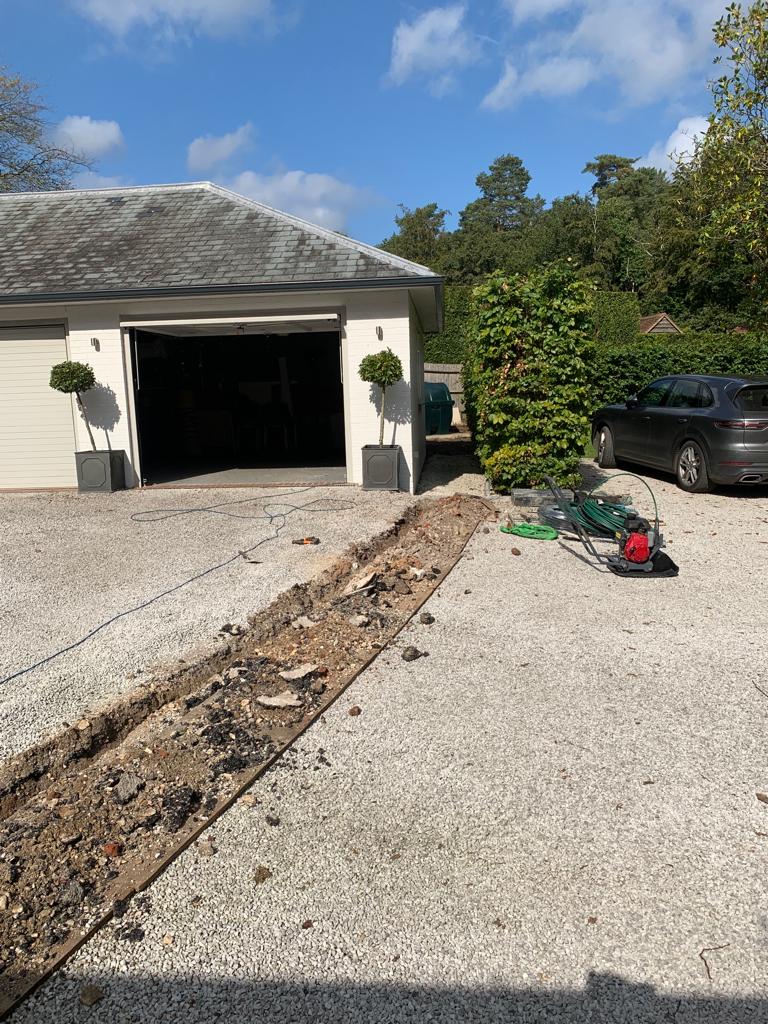
1. Initial Assessment
We discuss your requirements and arrange a suitable time to assess the tank and access requirements.
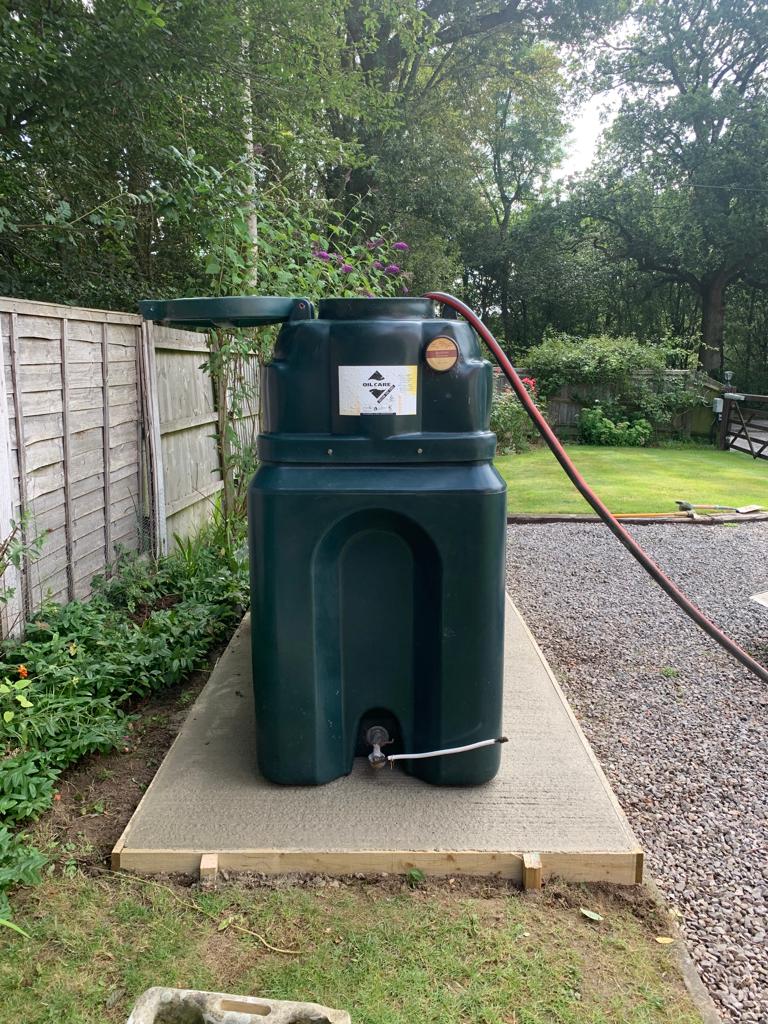
2. Oil Removal Preparation
Any remaining oil is safely dealt with before removal begins.
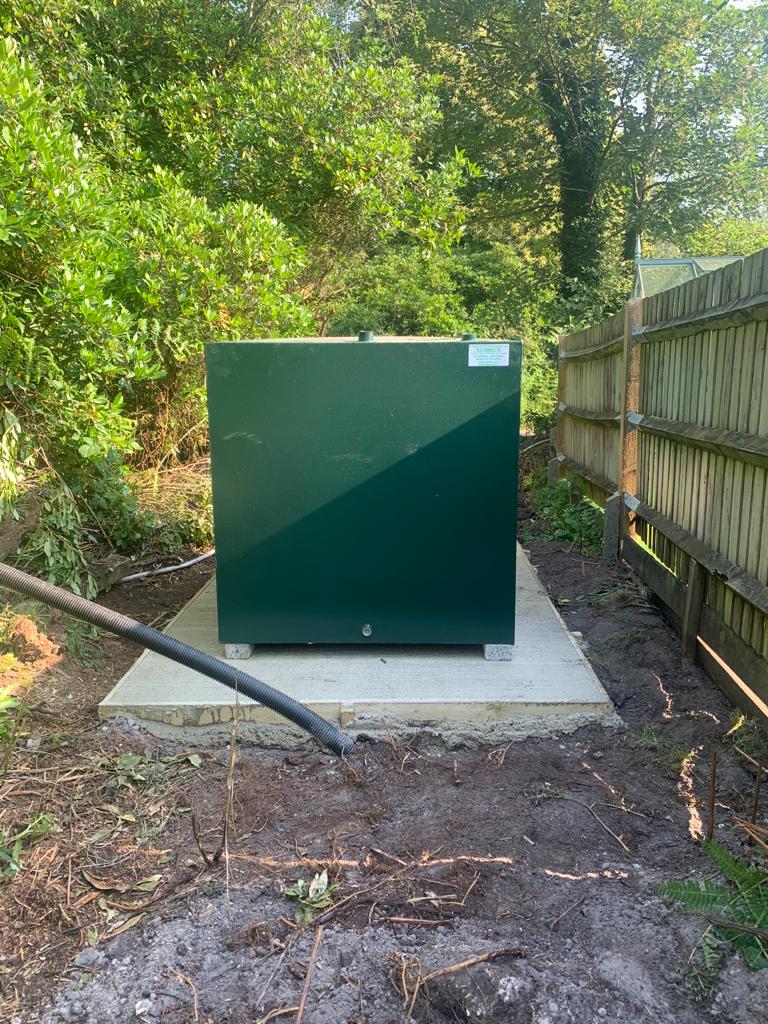
3. Tank Removal
Our experienced team removes the tank carefully, considering access, property protection and surrounding areas.
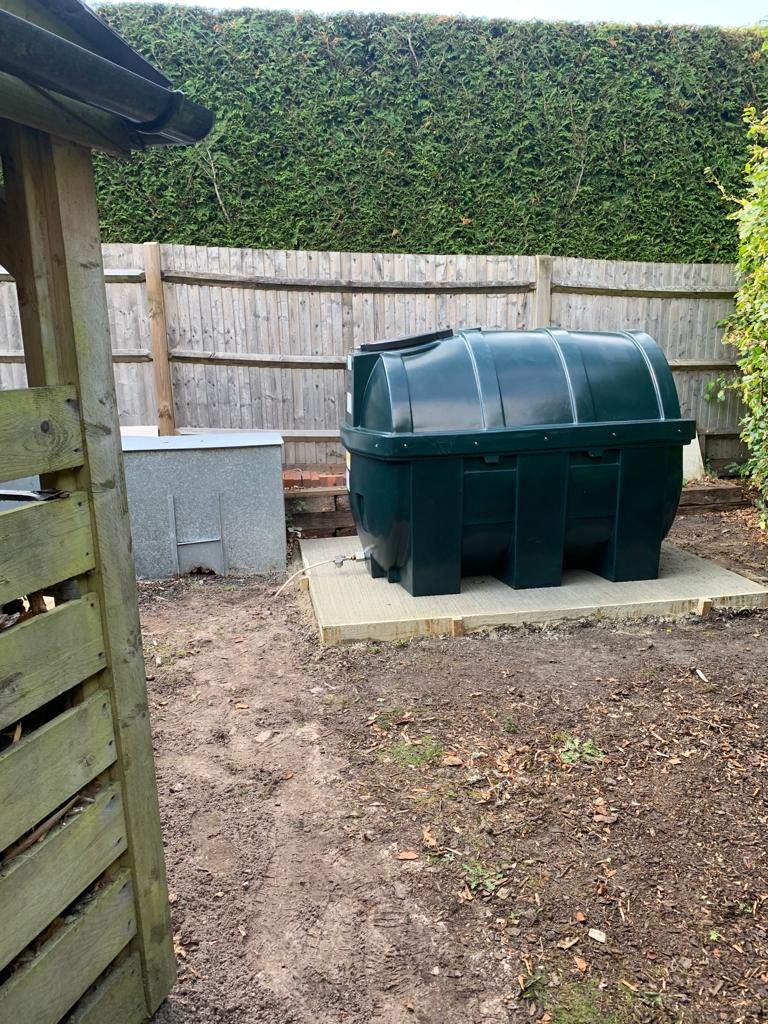
4. Disposal or Replacement Advice
We arrange responsible disposal and can advise if a replacement tank is required.
Difficult Oil Tank Access? We Can Help
Not every oil tank is easy to remove.
We regularly help customers with:
✓ Tanks positioned behind properties
✓ Limited driveway access
✓ Underground tanks
✓ Older installations with unclear layouts
✓ Commercial and agricultural sites
Our experience allows us to assess the practical challenges before work begins and recommend the safest approach.
Oil Tank Removal FAQs
The cost of removing an oil tank depends on several factors, including the size and type of tank, its location, how accessible it is, the amount of oil remaining and the work required to safely remove it.
Every property is different, so we recommend arranging a free assessment so we can understand your requirements and provide an accurate quotation.
Yes. Oil tanks are not always installed in easy-to-access areas, and our experienced team regularly deals with challenging removal projects.
This can include tanks located:
- Behind properties with limited access
- In gardens or restricted areas
- In commercial or agricultural locations
- Underground or partially buried
We assess the access requirements before work begins and recommend the safest and most practical approach.
Yes, we can help with underground oil tank removal. These tanks often require additional planning because their condition, location and surrounding ground conditions need to be assessed before removal.
Our team can advise on the best approach, including whether removal or another solution is the most suitable option for your property.
Any remaining oil needs to be dealt with safely before the tank can be removed.
During the removal process, we will assess the tank and remaining contents, ensuring the oil is handled responsibly and the tank can be removed safely.
An old or unused oil tank may need removal if it is no longer required, showing signs of deterioration or creating concerns about future leaks.
Common reasons customers arrange removal include:
- The tank is damaged or corroded
- The heating system is being changed
- The property no longer uses oil heating
- The tank is becoming a maintenance concern
- The tank location is restricting property improvements
Removing an unwanted tank can help reduce future risks and leave your property ready for its next use.
Not necessarily. Some customers remove old tanks because they are no longer needed, while others require a replacement as part of upgrading their heating system.
If you do need a new tank, SG Tanks can advise on suitable replacement options and provide installation support.

