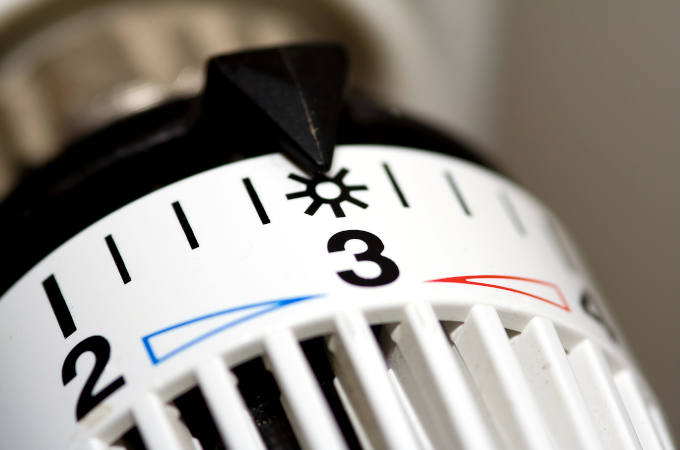
With winter approaching, many homeowners are considering whether oil heating is the most cost-effective and efficient option. While oil-fired central heating offers some benefits, there are also several disadvantages of oil heating to consider.
If you’ve been considering a switch from gas to oil heating – particularly a private supply – here are some of the oil-fired central heating pros and cons to consider.
Pros of oil heating
- Energy independence: oil heating operates as a standalone system, entirely independent of the gas grid, giving homeowners greater supply security and autonomy over their heating
- Ideal for rural properties: for homes not connected to the gas grid, oil heating is often the most practical and cost-effective solution available
- High energy efficiency: oil burns hotter than electricity or natural gas, allowing homes to heat up faster while using less fuel, which conserves resources and reduces running costs
- Greener options now available: modern low-sulfur and ultra-low sulfur biofuels significantly cut emissions and particulate matter compared to traditional heating oil
- Advanced system technology: high-efficiency oil heating systems maximise heat output while minimising fuel use, and smart controls can further optimise energy consumption
Cons of Oil Heating
- Higher Long-Term Costs: Oil typically costs more than natural gas or electricity long-term, leading to higher heating bills. The price of oil is also prone to larger fluctuations.
- Requires Additives: To maintain efficiency, oil heating systems need regular fuel additives, adding to costs.
- Delivery Requirements: With no supply line, homeowners must proactively schedule oil deliveries to avoid running out. This can lead to supply issues.
- Increased Maintenance: Oil heating produces significant soot and dirt, requiring more frequent chimney and filter cleanings.
- Environmental Impact: While steps have been taken to offer greener oil options, traditional oil still has a larger carbon footprint than some other heating sources.
- Upfront Costs: Oil heating installation costs can be a bit high upfront for homeowners retrofitting a new system. Installing a new oil boiler, storage tank and radiators requires a large upfront cost, which is increased if extensive pipework or building work is required.
Should You Choose an Oil Heating System For Your Home?
Weighing up the pros and cons of oil heating, the right answer will depend on your property, location and circumstances. For rural homeowners without access to the gas grid, oil heating often remains the most practical and reliable option available. For those with grid access, it’s worth considering total cost of ownership, installation requirements, and the long-term direction of your heating needs.
Oil heating also operates as a standalone system, independent of the gas grid, something many homeowners actively prefer for the supply security and autonomy it provides. For properties in more rural or restricted-access locations, it’s worth factoring in delivery logistics and ensuring sufficient space is available for a tank before committing to oil heating.
Proper oil heating system maintenance and the use of biofuels and other greener options can help homeowners see their emissions reduced significantly. However, the higher costs and delivery requirements remain notable downsides to installing a brand new oil heating system.
If you have more questions about the potential disadvantages of oil heating, contact our team. We have experience installing and maintaining oil heating systems and can advise if it is the right choice.
The Environmental Impact of Oil Heating
With the growing demand for green, eco-friendly heating solutions, many homeowners worry that oil heating harms the environment. However, modern oil heating systems can be an environmentally conscious choice.
Today’s options include cleaner burning low-sulfur and ultra-low sulfur biofuels, reducing negative impacts. Nearly all heating oil now contains low-sulfur biofuels made from plant oils that cut emissions and particulate matter significantly.
Oil heating is also highly energy efficient. Oil burns hotter than electricity or natural gas, allowing homes to heat up faster while using less fuel. This conserves resources and minimises environmental impact.
Additionally, new high-efficiency oil heating systems maximise heat while minimising required fuel. Smart controls further optimise energy use.
With advanced biofuels and efficient technology reducing its footprint, modern oil heating can be an eco-friendly choice for many homes.
Consult a Reputable Oil Tank Installer for Expert Advice
To conclude, oil central heating can be an effective choice for standalone rural homes not connected to the gas grid. However, oil comes with minor drawbacks like high maintenance costs, accessibility issues, and expensive installation fees.
Homeowners must weigh these cons against the pros of greater supply security and heating autonomy offered by oil, and make an informed decision about whether a large heating system like this meets their needs. Contact us to learn more about today’s green, sustainable oil heating options and practical advice about whether an oil tank is right for your home.